
Have you ever mistaken someone’s pain for rudeness? I have.
Not long ago, I sat in a room full of Christian professionals, listening to stories of faith in the workplace. One story in particular has stayed with me.
A veterinarian stood and began quietly, “People think my work is mostly about animals. Truth is, it is often about people, their grief, their memories, their goodbyes.”
He told us about a day when a well-dressed woman came into his clinic with her old dog. She wanted the dog put to sleep. Her words were short, her manner abrupt. She hardly looked at the animal. To the staff, she seemed cold. Maybe even heartless.
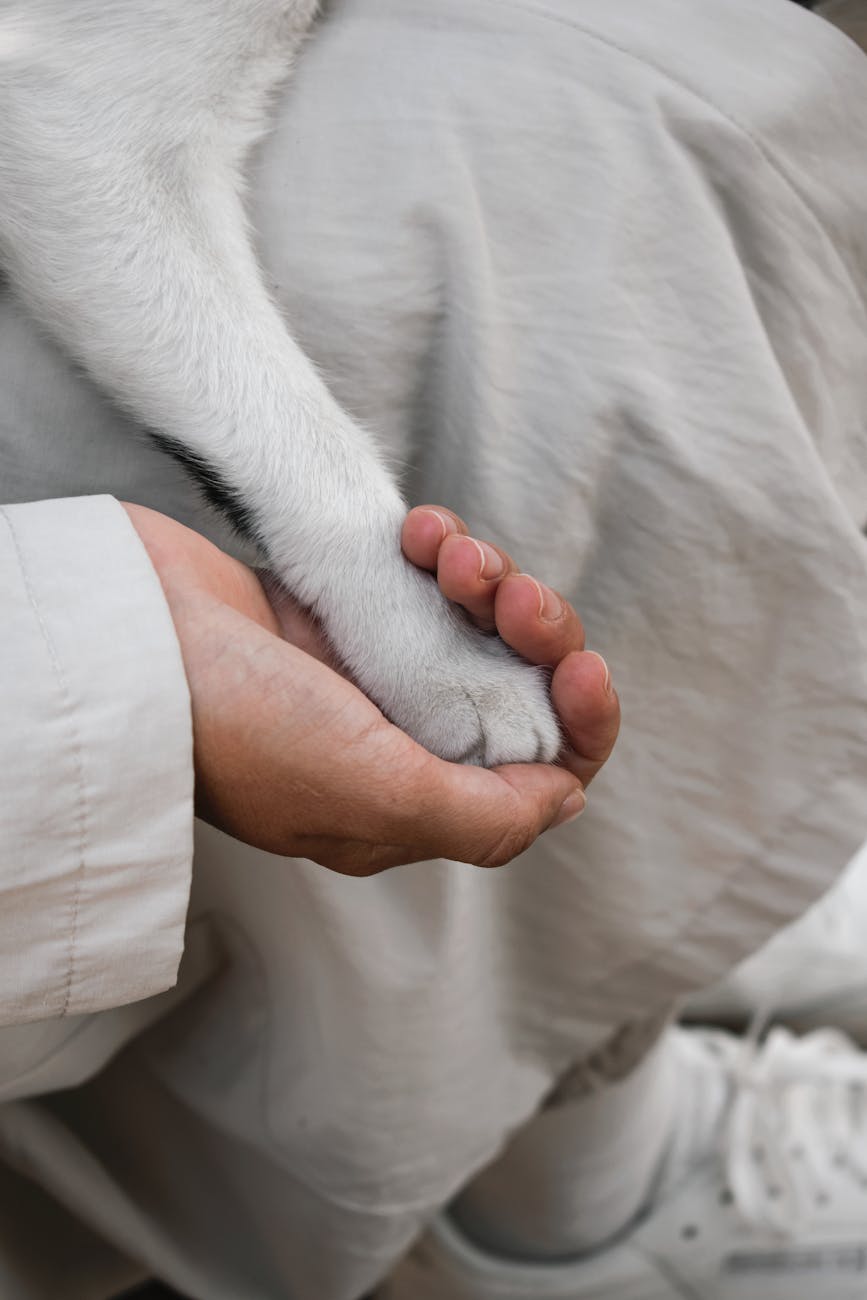
But instead of taking offense, the veterinarian chose gentleness. He asked the staff to place the dog in a quiet room, then encouraged the woman to come too. Once inside, he reminded her of the first time she had brought the dog in years ago, when life had been hard for her.
“Even then,” he told her, “I could see how much you loved him. I thought, this dog is lucky to have her. And he is lucky to have you here now.”
That was all it took. The woman’s walls came down. She stayed with her dog until the very end. She wept freely. And when it was over, she hugged the vet and whispered, “thank you, thank you,” over and over.
Later someone asked him how he could show such kindness to a woman who had treated him so harshly. His reply was simple but wise:
“When you are handling a wounded animal, you do not take offense if it nips at you. You never know how much pain someone is carrying.”
I have not forgotten those words.
How often do we let a sharp remark push us into sharpness of our own? How often do we assume the worst about someone’s tone, when what we are really hearing is grief in disguise?
The veterinarian reminded me of a timeless truth:
“A soft answer turneth away wrath: but grievous words stir up anger.” — Proverbs 15:1
Perhaps the next time someone nips at us, we will remember that gentleness can ease wounds that judgment only deepens.
 A Good Word